LEARN ABOUT OUR FALL SESSIONS!
Camera & Lighting Workshop (3-WEEKS)
AFTER SCHOOL PROGRAM 4P–7P (3hrs) FRIDAYS. SEPT. 4th – SEPT. 18th
ESA STUDENTS 10A–2P (4hrs) TUESDAYS SEPT. 1st – SEPT. 15th
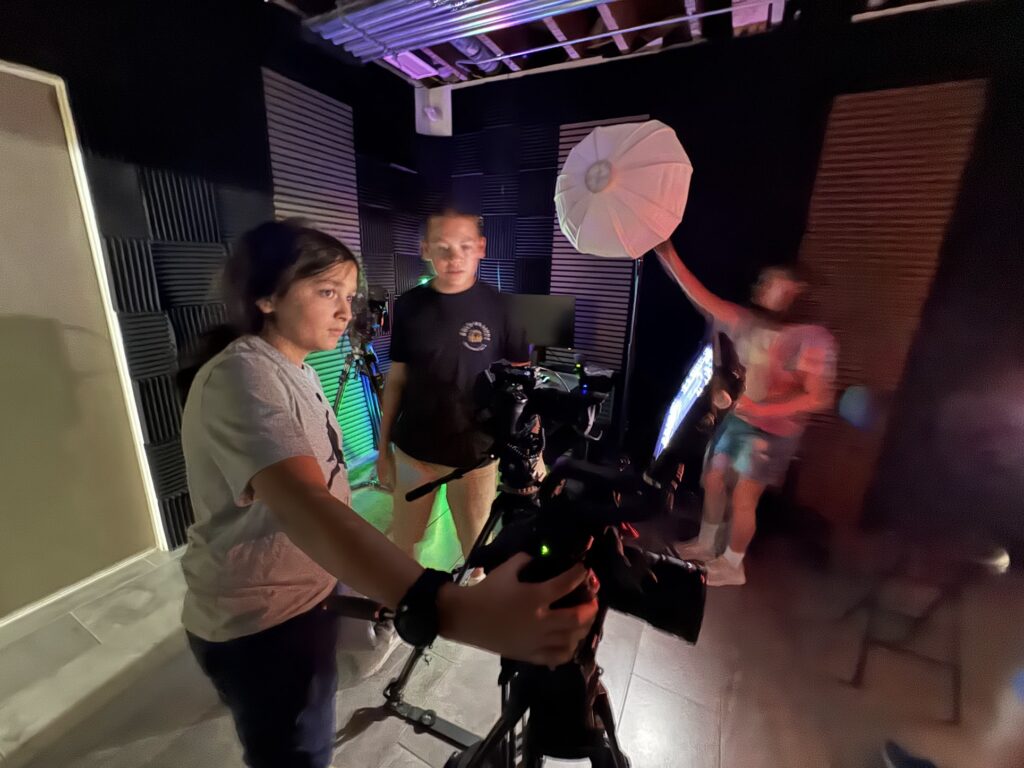
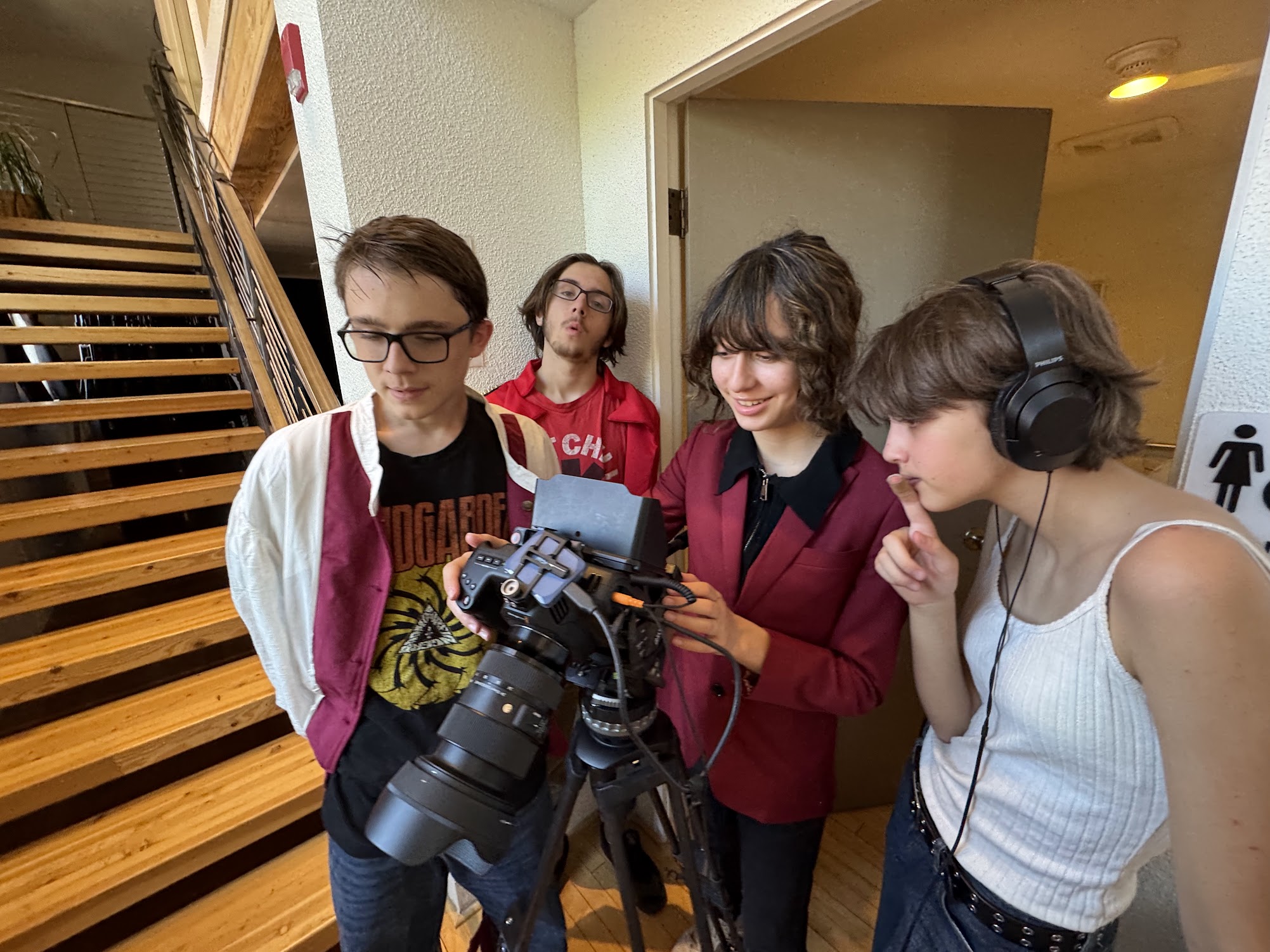
Students of all skill levels will learn the fundamental principles of how images are captured for cinematography and photography. For returning students or media enthusiasts, this will be the class for those who want to truly master the art of the camera. This is all about learning the fundamentals of camera exposure, ISO, shutter speed, lens apertures, and different focal length lenses. Each week, students will create complex shots using rack focusing, camera sliders, robotic camera systems, steadicams, and more to capture unique cinematic images. Students will study the craft of lighting by manipulating light and shadows, creating professional lighting setups that help tell their cinematic stories. Students will also learn techniques for lighting interviews, outside filming, podcasts, and more.
Week 1
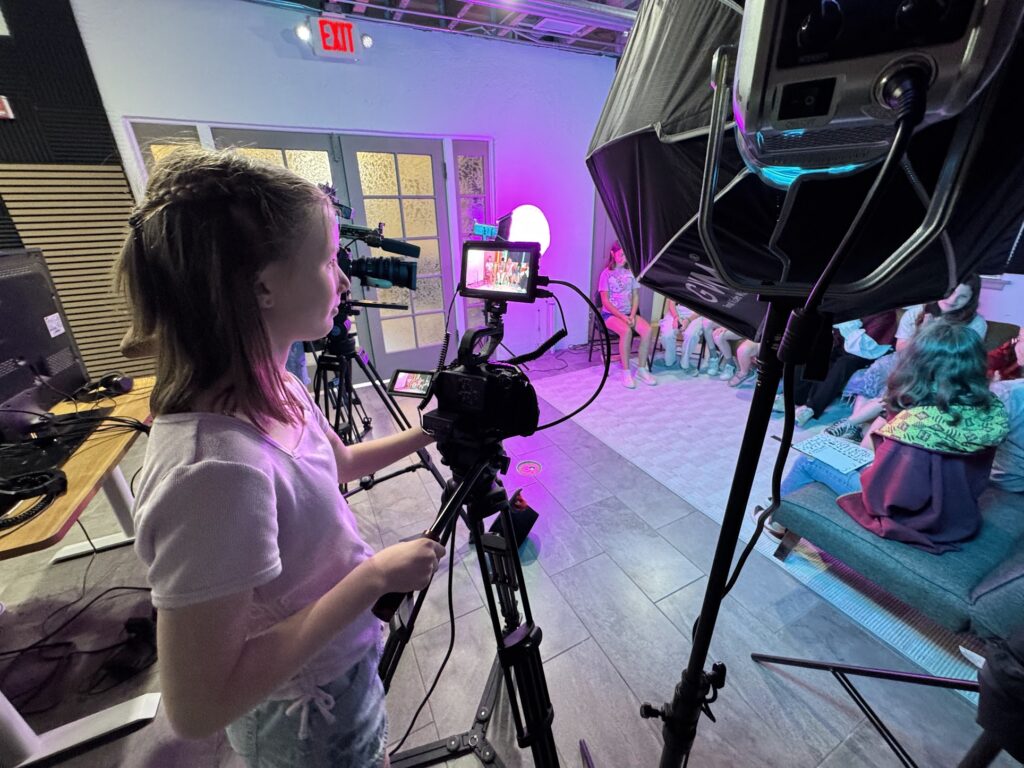
Students will learn the fundamental aspects of photography and cinematography — framing, composition, and blocking. We will cover on-set safety and lighting terms and equipment. The class will learn the principles of shutter speed, ISO, and camera lenses, while applying these principles on a wide variety of professional cinema cameras — including RED, Canon, Blackmagic, and DJI — as students break into teams and set up their own demo scenes.
Week 2
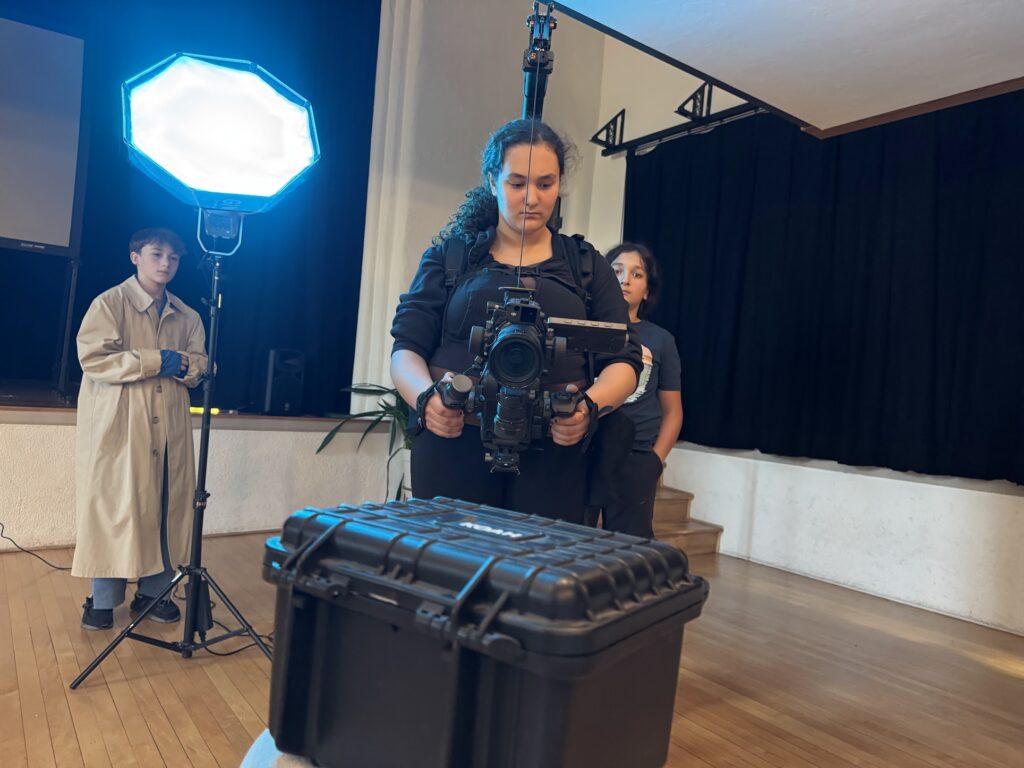
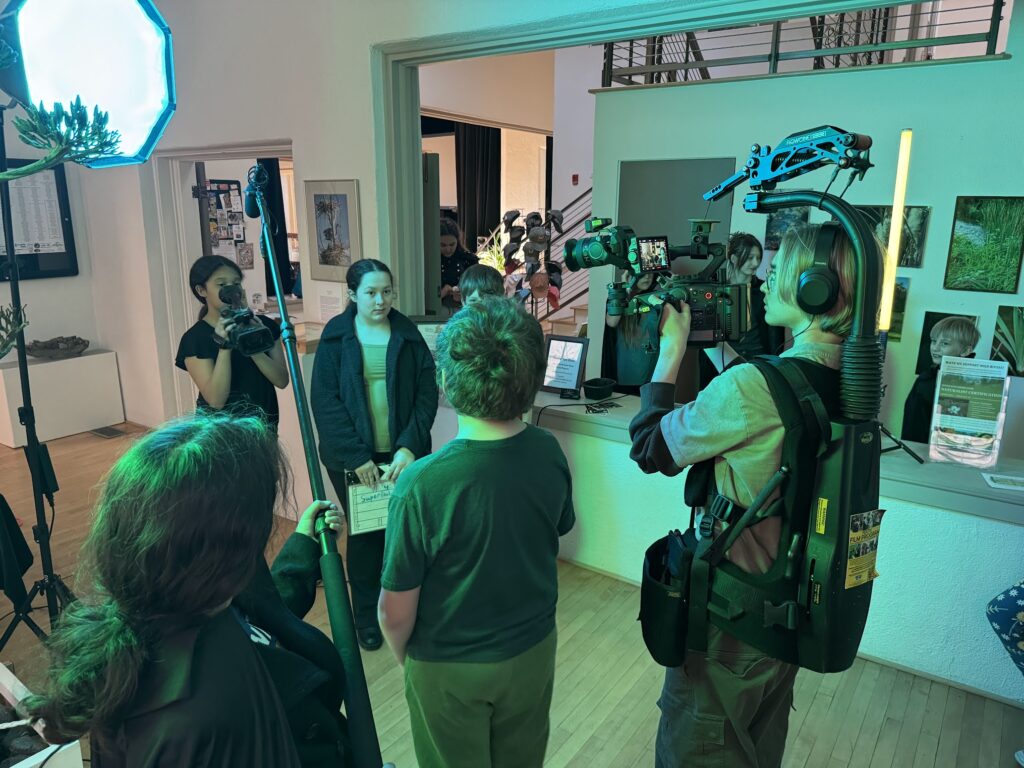
This class will focus on creating a blocking and lighting plan, then executing blocking and shots with actors. Students will create dynamic and exciting sequences and practice hitting camera marks, using manual focus tools, and building creative lighting setups. Students will learn how to move the camera using camera dollies, sliders, and robotic camera systems to create professional shots, while expanding their knowledge of a cinematographer’s role on set.
Week 3
Students will learn about storyboards and the tools and techniques used to previsualize a scene. Working in groups, they will analyze a script, create a series of storyboards, and execute a sequence of shots. We will also experiment with lighting product shots and tackle the unique challenges of filming and lighting scenes outdoors. Qualified students will have the opportunity to operate a steadicam system and gain experience with industry-standard gear. Students will leave this session with a collection of shots that the YFP will edit into a Cinematography Demo Reel to showcase their new camera skills.
Editing & Intro to Visual Effects (3-WEEKS)
AFTER SCHOOL PROGRAM 4P–7P (3hrs) FRIDAYS. SEPT. 25th – OCT. 9th
ESA STUDENTS 10A–2P (4hrs) TUESDAYS SEPT. 22nd – OCT. 6th
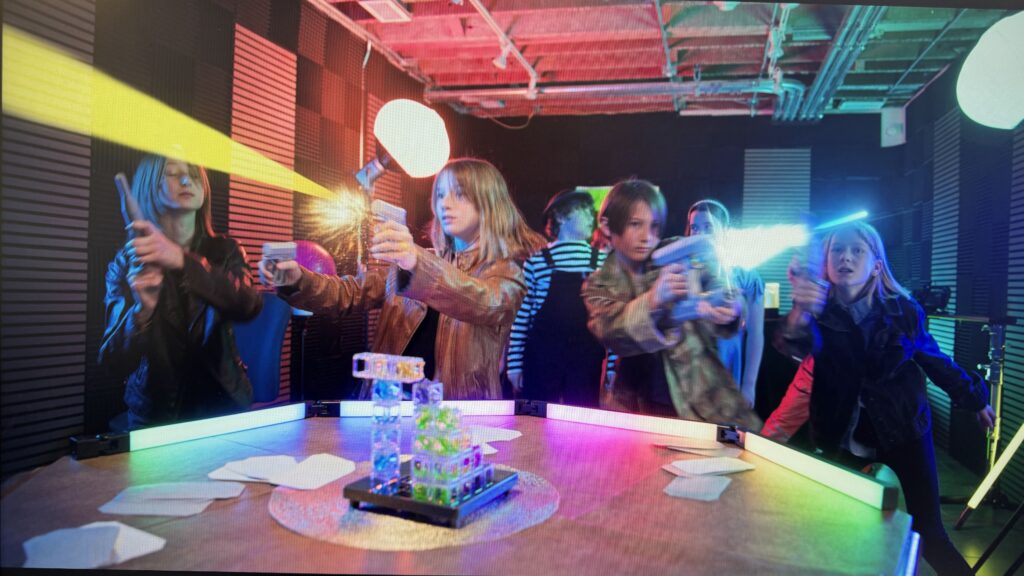
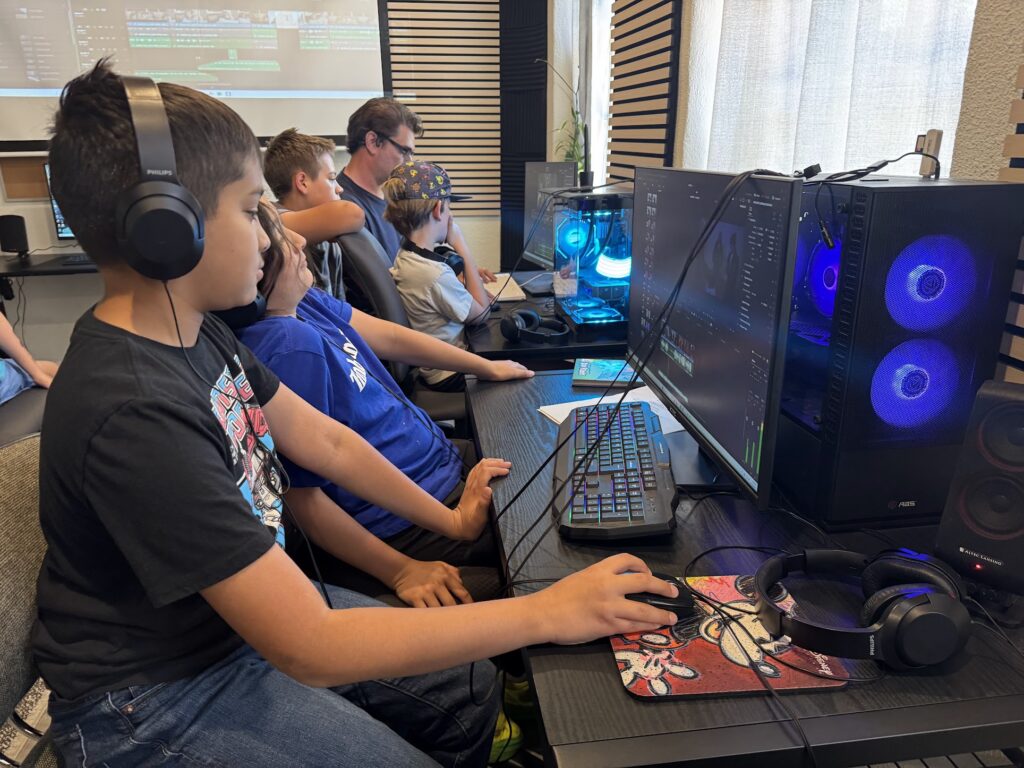
Students will take a deep dive into post-production, progressing through handcrafted projects that mimic real-world work and introduce them to industry-standard editing software, professional footage, and basic motion graphics. Students will also gain experience creating special effects using greenscreen, 3D animation tools, game software, and AI visual effects tools. Students will film test shots and learn how VFX for a shot comes together by combining their footage with our library of over 15,000 visual effects elements to bring their FX shots to life.
Week 1
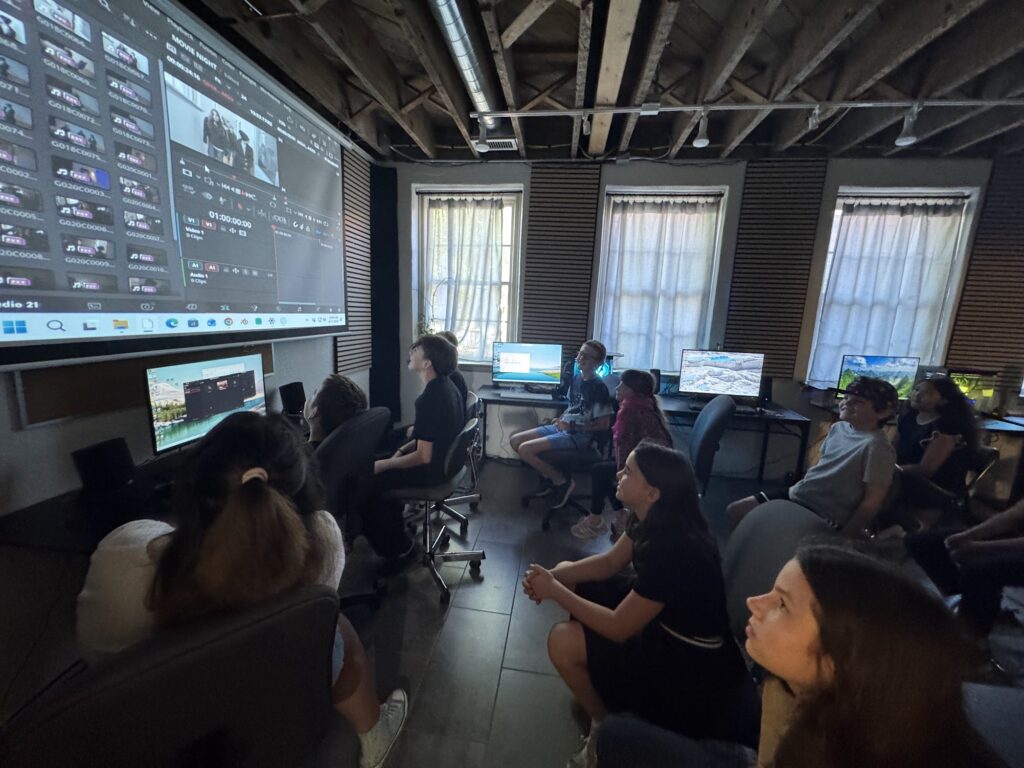
Students will learn the DaVinci Resolve interface and editing workflow: importing and organizing footage, building a timeline, trimming and arranging clips, and basic audio mixing. Students will edit a short scene from provided footage, focusing on pacing, continuity, and cutting on action. We’ll also cover color correction basics — matching shots, adjusting exposure and white balance, and using scopes to evaluate your work.
Week 2
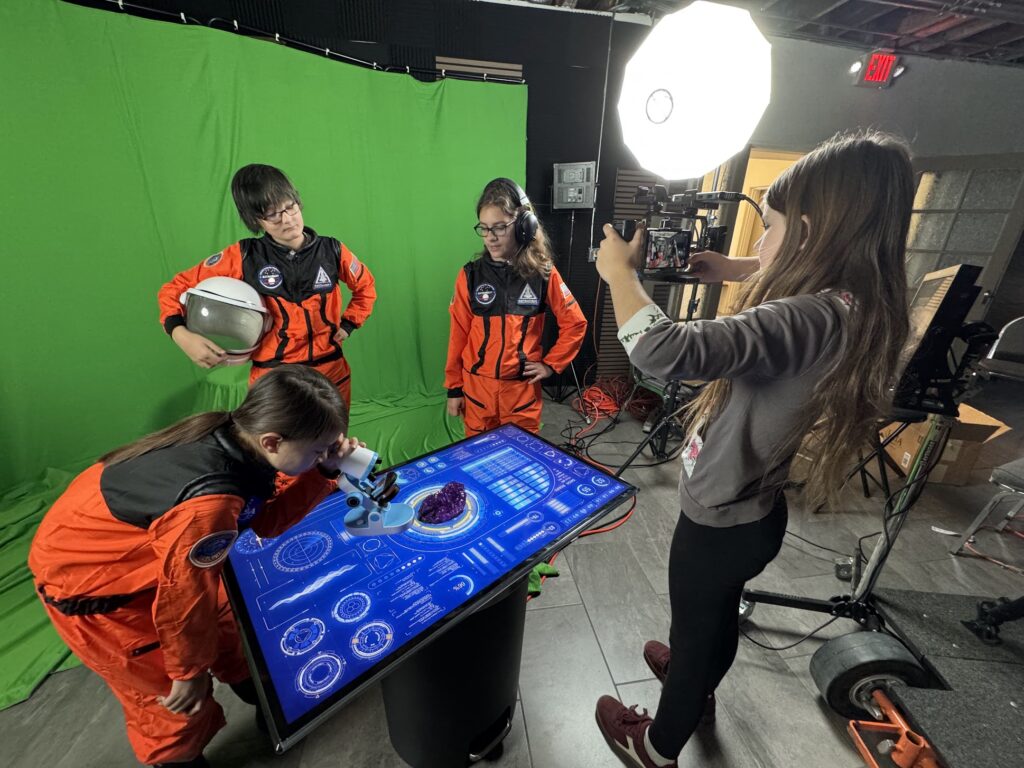
This week moves into advanced editing techniques: multi-camera editing, sound design, and building a music and sound effects layer under a scene. Students will film footage on a greenscreen and combine it with CG backgrounds, atmosphere elements, and VFX elements. Students will learn greenscreen keying and the fundamentals of image compositing, and experiment with AI VFX tools to digitally enhance costumes and backgrounds, and use performance capture to transform an actor into a full CG character.
Week 3
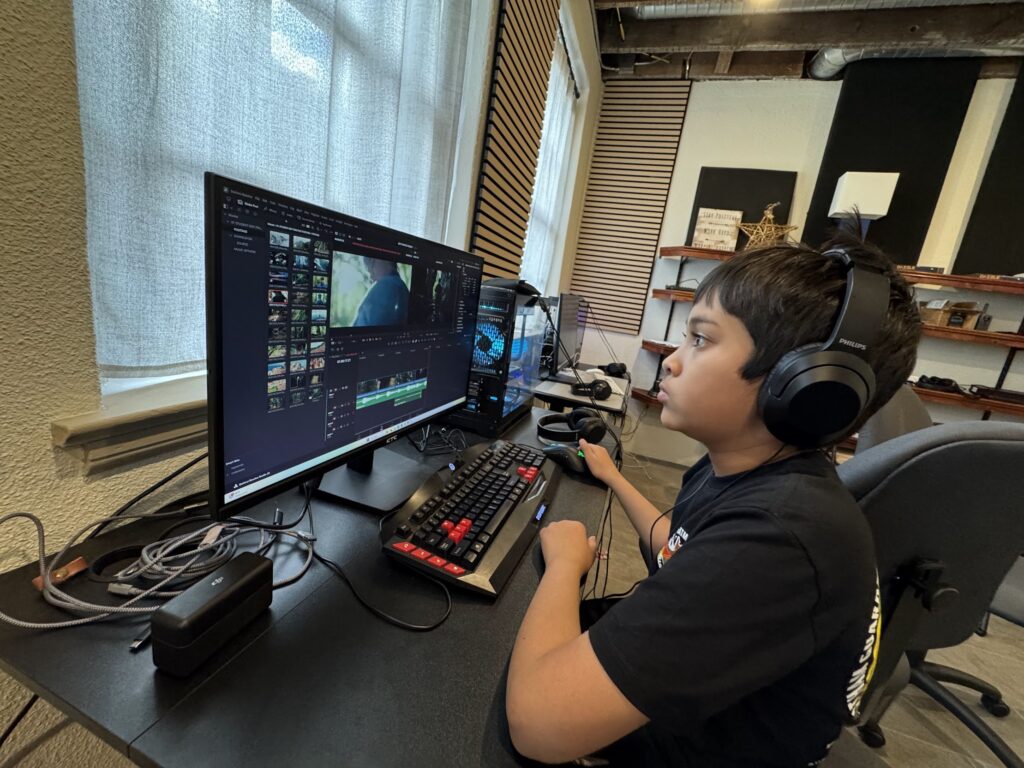
Students will discover how to unlock the filmmaking power of virtual production. They’ll get an introduction to creating virtual sets and visual effects in 3D programs, learning how to combine their greenscreen footage with digital backgrounds and effects. We’ll cover basic 3D concepts — adding objects, simple animation, and rendering — and explore how VFX artists collaborate with editors to finish a shot. Students will leave with an edited video showcase of their work.
Commercial Production Class (4-WEEKS)
AFTER SCHOOL PROGRAM 4P–7P (3hrs) FRIDAYS. OCT. 30th – NOV. 20th
ESA STUDENTS 10A–2P (4hrs) TUESDAYS OCT. 27th – NOV. 17th
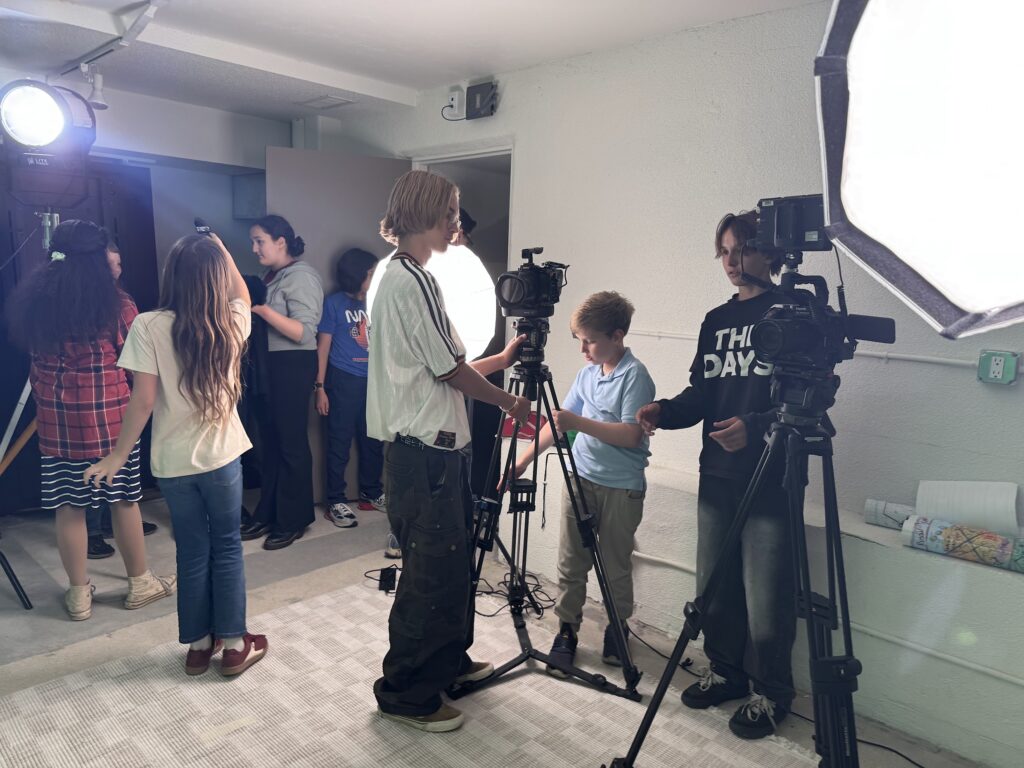
This is our first real-world job-study class. Students will learn how to plan, shoot, and edit real commercials from start to finish, working the way a real production team does — from the client brief to final cut. Students will learn how to think like a media entrepreneur: how to work with clients, manage budgets, and create captivating content for the digital marketing age.
Working with national brands and local businesses, students will get to create and act in exciting commercials that brands will feature as part of their social media marketing efforts, showcasing these student-made projects to a worldwide audience. This class is for those who are serious about the craft of filmmaking and want to develop real skills to turn their passion into a career.
Note: Like our full season program, this class may require students to meet at locations around the Prescott area for certain sessions, or attend additional Saturday filming days, typically from 11a–2p.
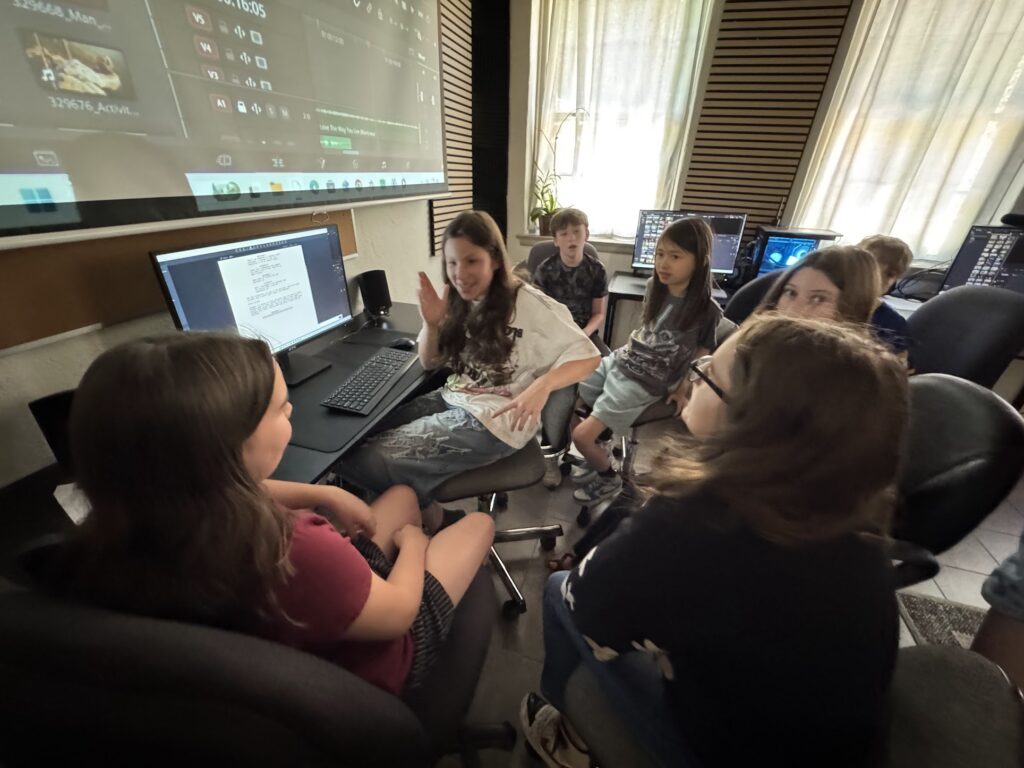
Week 1
Students will learn how commercial production differs from narrative filmmaking: working from a creative brief, understanding a target audience, and building a script and storyboard around a product or brand. In teams, students will develop concepts for a commercial project, including a shot list and a plan for locations and props. Students will learn how to conduct market research, identify target audiences, and combine data and creativity to build their commercial pitches, using a variety of tools to storyboard their concepts into a solid production blueprint.
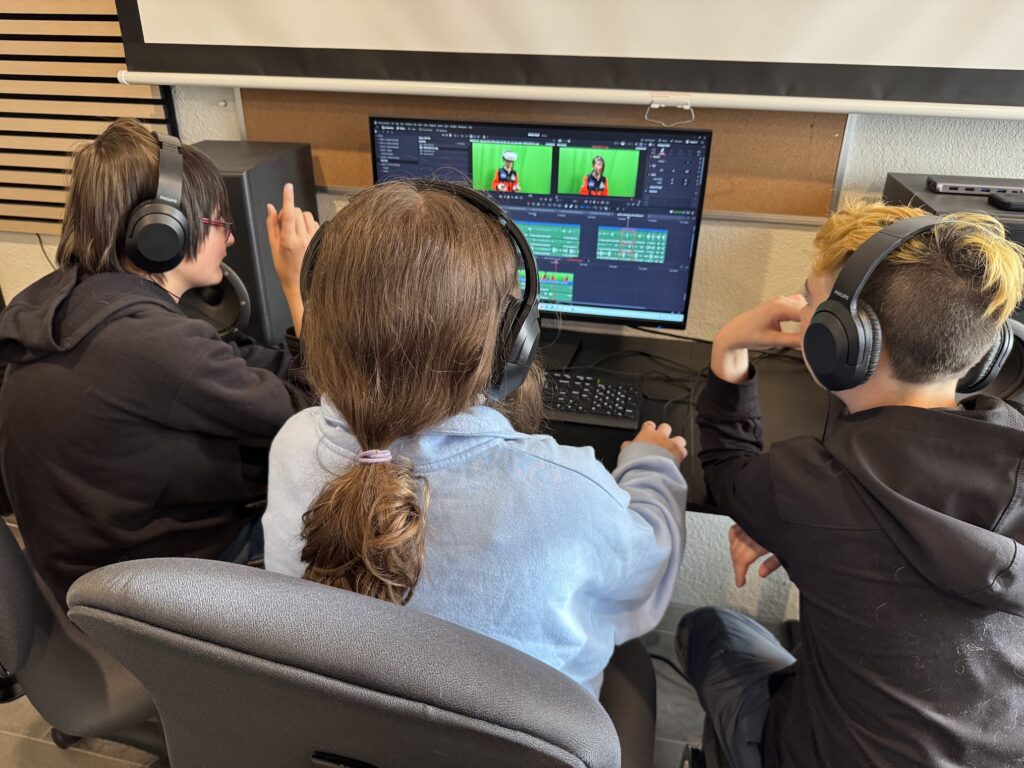
Weeks 2 & 3
These weeks are all about production. Students will shoot their commercials working as a full crew with professional cameras and equipment — directors, camera teams, sound, lighting, and actors all working together. We’ll cover how to get coverage efficiently, work with talent on delivery and timing, and adapt when things don’t go according to plan on set. Taking on multiple roles throughout production, students will gain hands-on experience making these commercials look and sound their best.
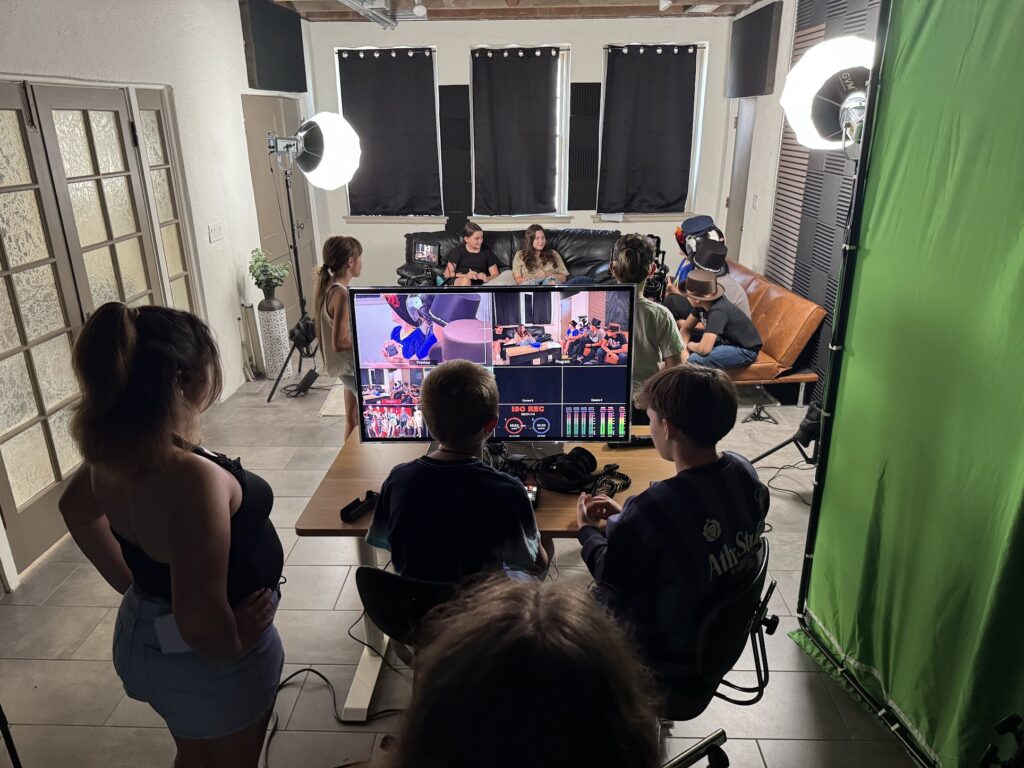
Week 4
Students will edit their commercials, focusing on pacing for short-form content, sound design, color grading, and adding titles or a call to action. We’ll cover how to package and format content for different social media platforms and how brands measure the success of their content. Students will leave with a finished, demo reel-ready commercial — and the experience of seeing their work shared as part of a real brand’s marketing campaign.